Logo
57 people bought recently
Generic

Dalstep

Generic
Active ingredient:Dalfampridine Extended Release

USD $52.20

1

Share

Active ingredient
Dalfampridine Extended Release
Prescription
Required (Rx)
Dispensing Country
IndiaIndia

What is Dalfampridine?

Dalfampridine is an oral medication used as a symptomatic treatment in patients with multiple sclerosis (MS) to improve walking. It is a selective voltage‑gated potassium channel blocker that works by enhancing conduction in demyelinated nerve fibers. By prolonging action potentials in these impaired axons, dalfampridine improves walking speed and endurance in individuals with MS-related walking disability.

Reference: U.S. FDA Ampyra Prescribing Information (FDA.gov); ClinicalTrials.gov (e.g., NCT00731639)


What are the other popular names for Dalfampridine?

Dalfampridine is marketed under several brand names, the most widely recognized being:

  • Ampyra® in the United States
  • Fampyra® in many international markets

Reference: U.S. FDA; MedlinePlus (MedlinePlus.gov)


What is the drug classification of Dalfampridine?

Dalfampridine is classified as a potassium channel blocker. It belongs to the broader category of antispastic agents and symptomatic treatments for multiple sclerosis.

Reference: U.S. FDA; World Health Organization (WHO) guidelines on MS management


What is the mode of action of Dalfampridine?

Dalfampridine works by blocking voltage‑dependent potassium channels on demyelinated nerve fibers. This blockade prolongs the duration of action potentials, thereby improving the conduction of nerve impulses. As a result, neural transmission is enhanced, which helps improve walking ability in patients with MS who experience conduction block due to demyelination.

Reference: PubMed (e.g., Goodman & Gilman’s The Pharmacological Basis of Therapeutics); U.S. FDA


How is Dalfampridine used?

Dalfampridine is used as a symptomatic treatment for improving walking in adults with multiple sclerosis who have a documented walking disability. It is not a disease‑modifying therapy for MS but rather a treatment aimed at enhancing mobility and quality of life by improving nerve conduction in demyelinated fibers.

Reference: American Academy of Neurology (AAN) guidelines; ClinicalTrials.gov


What is the recommended dosage and administration for Dalfampridine?

  • Dosage: The standard recommended dosage is 10 mg taken orally twice daily (approximately every 12 hours).
  • Administration:
    • Dalfampridine tablets should be swallowed whole with water.
    • It can be taken with or without food; however, consistent timing each day is advised for optimal effect.
    • Dose adjustments are not typically recommended, but caution is needed in patients with renal impairment.

Reference: U.S. FDA Ampyra Prescribing Information; ClinicalTrials.gov (e.g., NCT00731639)


What prescribing information is important for Dalfampridine?

  • Indications: Dalfampridine is indicated to improve walking in patients with multiple sclerosis as measured by standardized walking tests (e.g., the Timed 25-Foot Walk).
  • Contraindications:
    • It is contraindicated in patients with a history of seizure disorder or those at risk for seizures.
    • It should not be used in patients with moderate to severe renal impairment (typically defined as creatinine clearance <50 mL/min).
  • Monitoring:
    • Patients should be evaluated for seizure risk before starting treatment.
    • Renal function should be monitored periodically during therapy.

Reference: U.S. FDA Ampyra Prescribing Information; National Institutes of Health (NIH)


What safety information, warnings, and cautions are associated with Dalfampridine?

  • Common Side Effects:
    • Dizziness, headache, nausea, and insomnia are among the most frequently reported side effects.
  • Warnings & Cautions:
    • Seizure Risk: Dalfampridine may lower the seizure threshold; patients with a history of seizures or conditions predisposing to seizures should use it with extreme caution.
    • Renal Impairment: Since dalfampridine is renally excreted, its use in patients with moderate to severe renal dysfunction is contraindicated.
    • Drug Interactions: Caution is advised when used with other medications that can lower the seizure threshold.
  • Additional Considerations:
    • It is important for patients to adhere strictly to the recommended dosage to minimize the risk of adverse events.

Reference: U.S. FDA Ampyra Prescribing Information; WHO; PubMed literature on dalfampridine safety


What drug interactions should be considered with Dalfampridine?

  • CNS-active Medications:
    • Concomitant use with other drugs that lower the seizure threshold (e.g., certain antidepressants, antipsychotics, or stimulants) may increase seizure risk.
  • Renal Excretion:
    • Drugs that further impair renal function may increase the risk of toxicity, so concurrent use should be managed carefully.

Reference: U.S. FDA; Clinical Pharmacology Reviews available on PubMed


Where can I find additional clinical evidence and detailed information about Dalfampridine?

For further clinical data, dosing guidelines, and safety monitoring information, refer to:

  • U.S. Food and Drug Administration (FDA) Website: FDA.gov
  • ClinicalTrials.gov: Search for studies on dalfampridine (e.g., NCT00731639)
  • PubMed: For peer‑reviewed articles on the efficacy and safety of dalfampridine in multiple sclerosis
  • World Health Organization (WHO) Publications: For guidelines on MS treatment and management

Reference: U.S. FDA; ClinicalTrials.gov; PubMed; WHO


Final Thoughts

Dalfampridine (marketed as Ampyra or Fampyra) is an important symptomatic treatment for improving walking in patients with multiple sclerosis. By blocking voltage‑gated potassium channels on demyelinated axons, it enhances nerve conduction and improves mobility. However, due to its potential to lower the seizure threshold and its contraindication in patients with significant renal impairment, dalfampridine must be used with careful patient selection, strict adherence to dosing guidelines, and ongoing monitoring. Always consult your healthcare provider to determine if dalfampridine is appropriate as part of your MS management plan.

Disclaimer: This information is provided for educational purposes only and should not replace professional medical advice. Always consult with your healthcare provider before initiating or modifying any medication regimen.

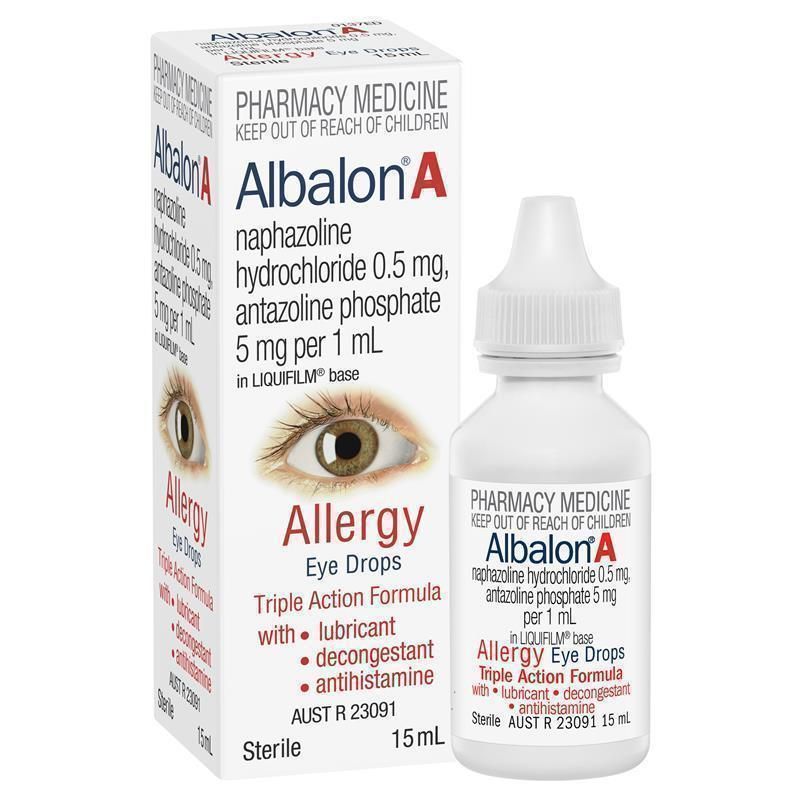
Albalon A Allergy Eye Drops 15mL

Albalon A Allergy Eye Drops 15mL

Active ingredient: Naphazoline hydrochloride 0.5mg/ml, Antazoline Phosphate 5mg/ml

USD $18.95

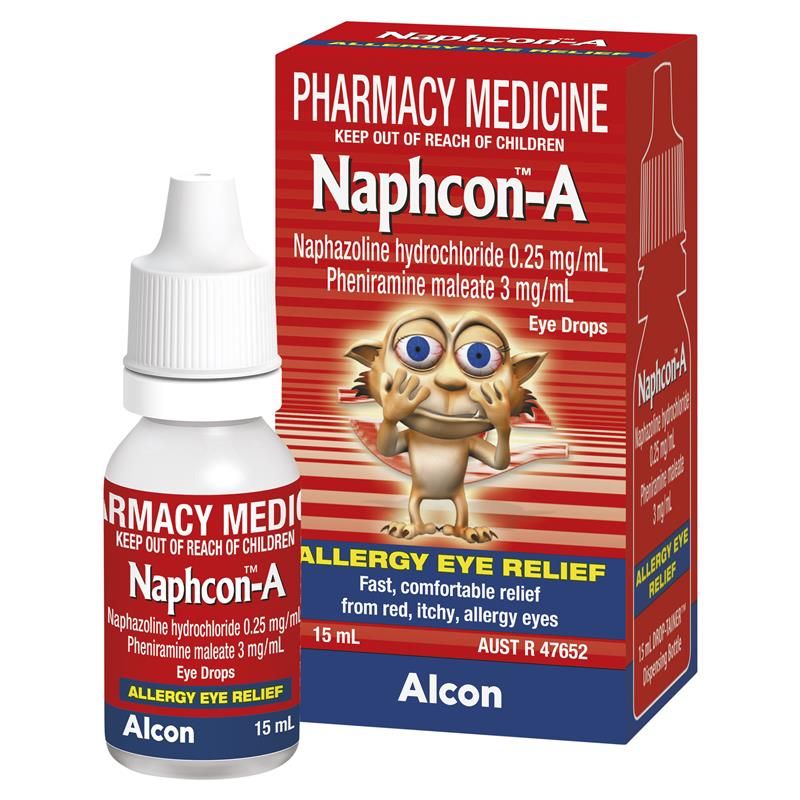
Naphcon-A Eye Drops 15mL

Naphcon-A Eye Drops 15mL

Active ingredient: Naphazoline Hydrochloride 0.25mg/mL, Pheniramine Maleate 3mg/mL. Benzalkonium Chloride 0.1mg/mL as preservative. Sodium Chloride.

USD $17.45

Carusos One a Day Tribulus 30000mg 60 Tablets

Carusos One a Day Tribulus 30000mg 60 Tablets

Active ingredient: Each film coated tablet contains: Tribulus terrestris (Tribulus) fruit ext. dry conc. ......... 300mg From min. dry fruit 15g (15,000mg) Std. to contain Furostanol saponins calc as protodioscin 120mg Tribulus terrestris (Tribulus) root ext. dry conc. ....

USD $38.49

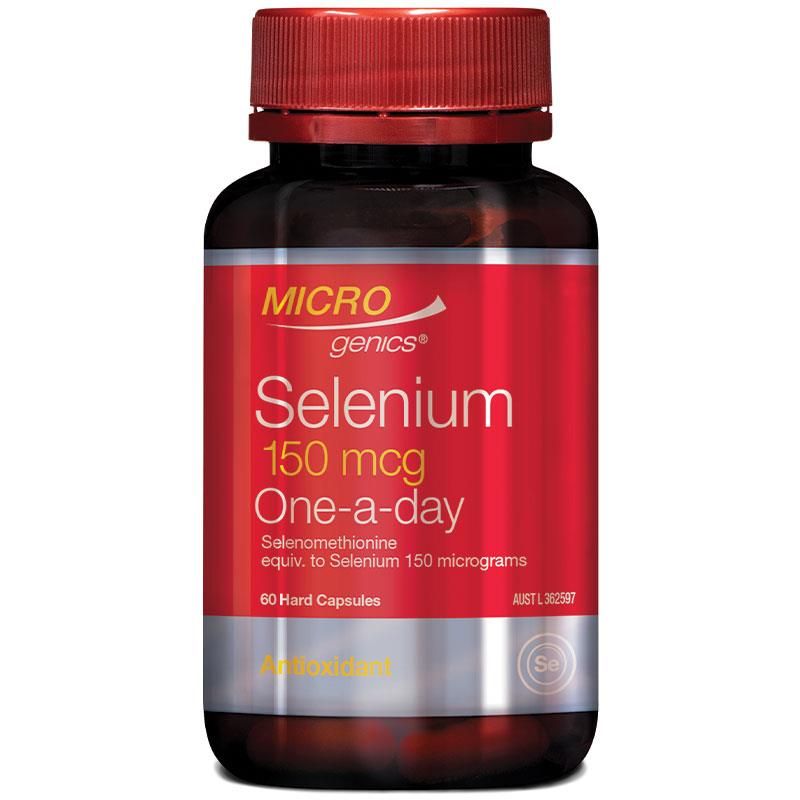
Microgenics Selenium 150mcg One A Day 60 Capsules

Microgenics Selenium 150mcg One A Day 60 Capsules

Active ingredient: Each hard capsule contains: Selenomethionine 372.6 micrograms Equiv. to Selenium 150 micrograms

USD $18.49

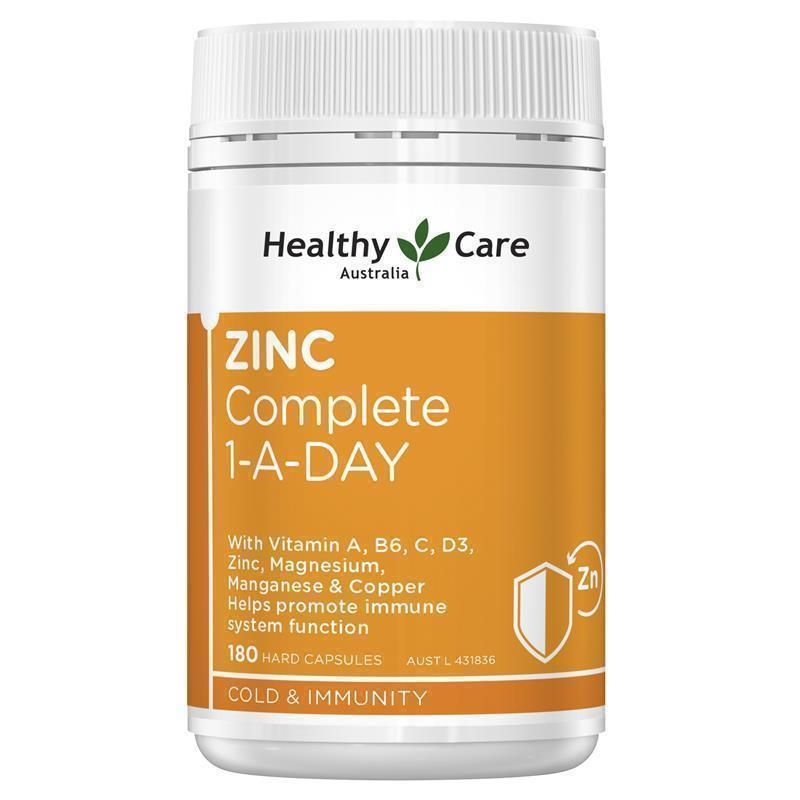
Healthy Care Zinc Complete 1-A-Day 180 Capsules

Healthy Care Zinc Complete 1-A-Day 180 Capsules

Active ingredient: Each capsule contains: Zinc amino acid chelate (Zinc 30mg) 150mg Sodium ascorbate (Ascorbic acid (Vitamin C) 50mg) 56.6mg Retinol acetate (Vitamin A 500micrograms retinol equivalents) 573.5micrograms Colecalciferol (Vitamin D3) 10micrograms Pyridoxine hyd

USD $18.49

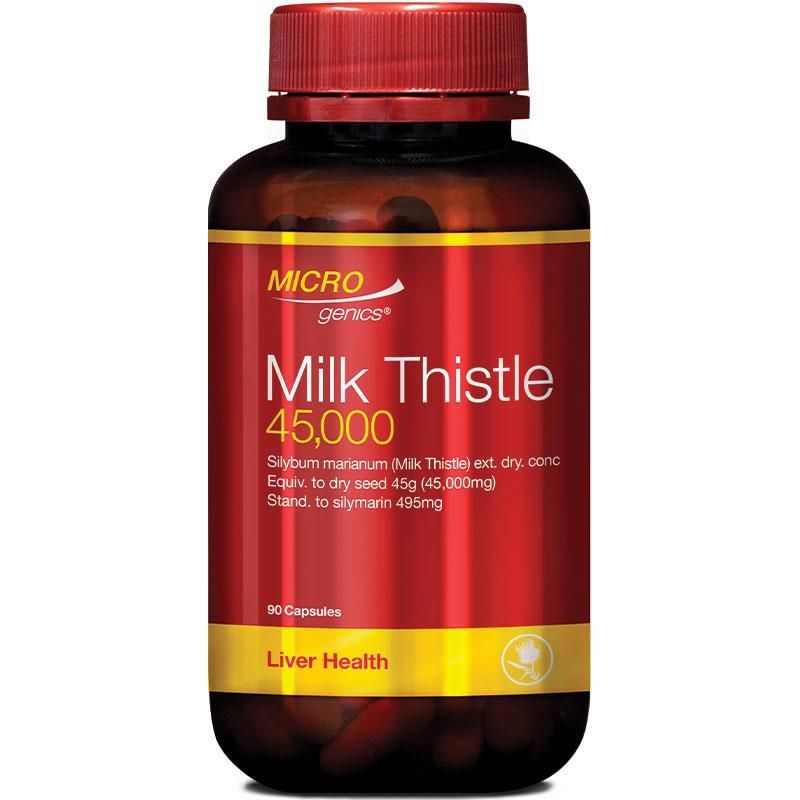
Microgenics Milk Thistle 45000 One A Day 90 Capsules

Microgenics Milk Thistle 45000 One A Day 90 Capsules

USD $24.49