
How to Give Dog Dewormer Safely and Correctly
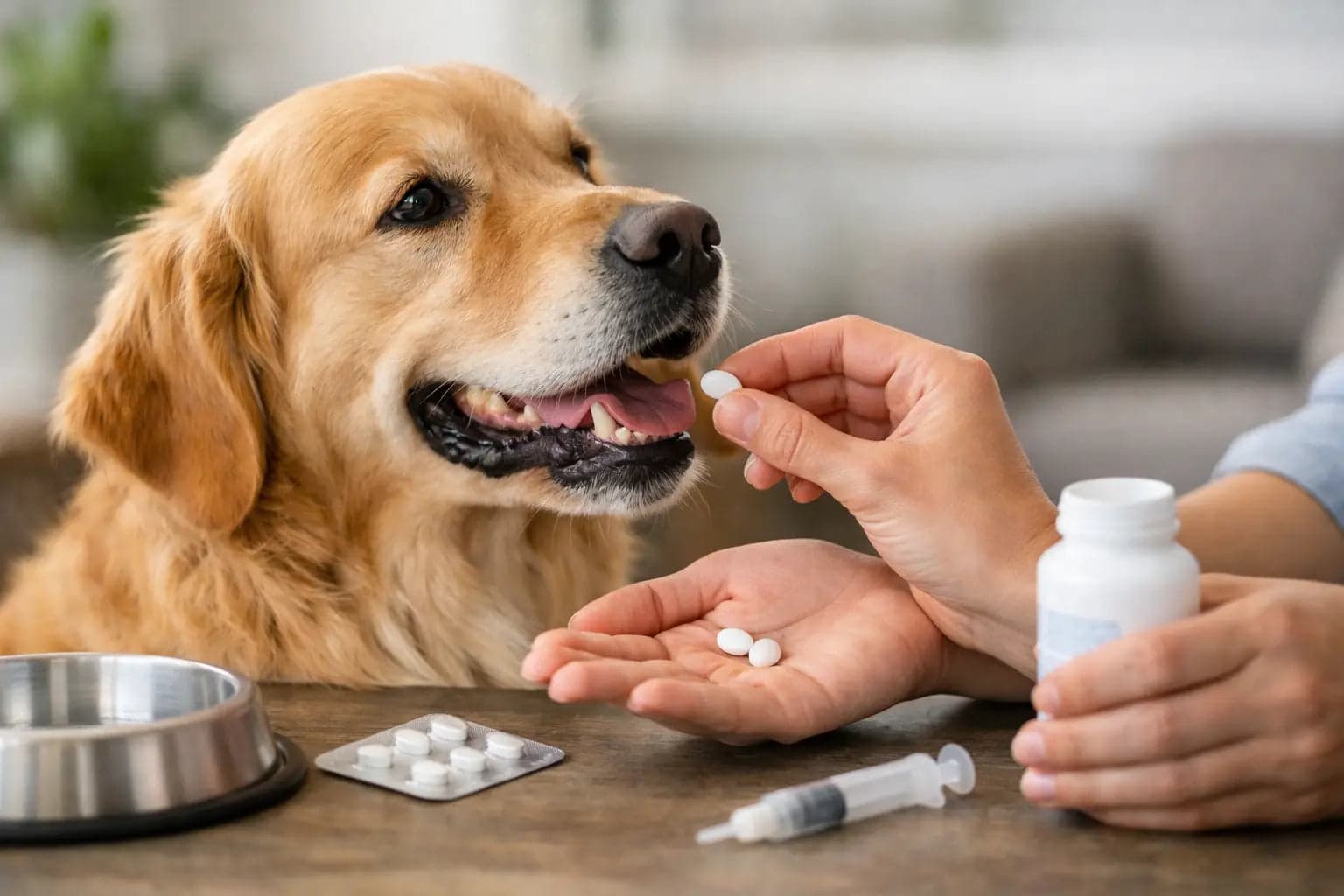
A dewormer only works when it is the right medication, at the right dose, for the parasite your dog may have. A tablet hidden in food can be easy to give, but guessing the product or dose is not. If you are learning how to give dog dewormer, start with your dog’s current weight, the product label, and your veterinarian’s treatment instructions.
Intestinal parasites are common in dogs, particularly puppies, dogs that visit parks or kennels, and pets with exposure to contaminated soil, wildlife, fleas, or other animals’ stool. Roundworms, hookworms, whipworms, tapeworms, and Giardia do not all respond to the same active ingredient. A veterinary fecal test can help identify the parasite and avoid treating blindly.
Confirm the Right Dewormer Before You Give It
Dog dewormers are not interchangeable. Some products treat roundworms and hookworms but not tapeworms. Others are designed for specific parasites or combine parasite treatment with monthly flea, tick, or heartworm prevention. Product selection depends on your dog’s age, body weight, medical history, current medications, parasite risk, and test results.
Read the package carefully before opening it. Confirm the active ingredient, strength, intended species, minimum age, weight range, route of administration, and expiration date. Never substitute a human deworming medication or use a livestock product unless a veterinarian has specifically prescribed it for your dog. Concentrations and inactive ingredients may differ significantly.
For prescription veterinary products, use the exact directions provided by the prescribing veterinarian. If a product is labeled for a weight range, weigh your dog rather than estimating. A bathroom scale can work for small dogs: weigh yourself, then weigh yourself while holding your dog, and calculate the difference. For larger dogs, use a veterinary or pet scale when possible.
Puppies require special attention. They often need repeat deworming on a schedule because parasites can be passed from the mother before birth or through nursing. Do not apply an adult-dog schedule to a puppy without veterinary guidance.
How to Give Dog Dewormer by Formulation
Most dog dewormers are oral tablets, chewable tablets, liquids, or topical products. The product label determines whether it can be given with food, must be given on an empty stomach, or should be applied to the skin. Follow that instruction over general advice.
Tablets and chewables
Many flavored chewables can be offered by hand as a treat. Watch closely to make sure your dog chews and swallows the full dose. If your dog refuses it, place the tablet in a small amount of a food your dog can safely eat, such as a pill pocket or a spoonful of canned dog food. Give only enough food to ensure the whole dose is consumed before serving the rest of the meal.
Avoid crushing or splitting a tablet unless the label or veterinarian says it is appropriate. Altering a product can affect dosing accuracy, palatability, or how the medication is absorbed. It can also make it easier for a dog to detect and reject the medicine.
If direct dosing is necessary, keep the experience calm. Hold the tablet between your fingers, gently open your dog’s mouth from above, place the tablet as far back on the tongue as you can safely reach, then close the mouth and encourage swallowing. A small follow-up treat or a sip of water can help. Never force medication into a dog that is struggling hard enough to risk a bite or aspiration. Contact your veterinarian for alternatives.
Liquid dewormers
Shake liquid products if the label instructs you to do so. Use the oral syringe or measuring device supplied with the medication, not a household spoon. Draw up the prescribed amount, place the syringe into the side of the mouth behind the canine tooth, and administer slowly in small amounts so your dog can swallow.
Do not squirt liquid directly toward the throat. Giving it too quickly can cause coughing, stress, or aspiration. If your dog spits out part of the dose, do not automatically give another full dose. Call the veterinarian or pharmacy team for direction, since it may be unclear how much was swallowed.
Topical parasite treatments
Some parasite-control products are applied to the skin rather than swallowed. Part the fur until you can see the skin, then apply the full labeled dose exactly where directed, often between the shoulder blades or along the back. Do not apply topical medication onto the fur alone.
Keep pets separated until the application site is dry if the product instructions recommend it. Prevent licking, bathing, swimming, or touching the treated area for the stated period. Use only dog-specific products for dogs, and be especially careful in homes with cats, since some dog parasite products can be dangerous to cats.
Timing, Repeat Doses, and Household Control
A single dose is not always the full treatment plan. Some parasites require a repeat dose after a defined interval because the medication may kill adult worms but not every immature life stage or egg. Other products are part of an ongoing monthly preventive schedule. Follow the label or veterinarian’s calendar precisely and set a reminder before you leave the room.
Parasites can return when the source remains. Pick up stool promptly from your yard and walks, wash bedding when appropriate, and discourage dogs from eating stool, rodents, or unknown material outdoors. Flea control is also essential when tapeworms are suspected, because dogs commonly acquire tapeworms by swallowing infected fleas.
If more than one pet lives in your home, ask your veterinarian whether other animals need testing or treatment. Treating one dog while another infected pet continues shedding parasites can create a frustrating cycle. Children should wash their hands after handling pets and after outdoor play, particularly when a dog has a confirmed intestinal parasite.
What to Watch for After Treatment
Many dogs tolerate dewormers well. Mild digestive upset can occur, and you may see worms or worm segments in your dog’s stool after treatment. That can be unpleasant, but it may be expected depending on the parasite and product.
Contact a veterinarian promptly if your dog develops repeated vomiting, severe diarrhea, marked lethargy, facial swelling, hives, difficulty breathing, tremors, weakness, or collapse. These signs may indicate a reaction, another illness, or a heavy parasite burden requiring veterinary care.
Also contact the veterinarian if your dog vomits soon after receiving an oral dose. Whether a replacement dose is needed depends on the medication, how long it had been in the stomach, and whether the tablet was visible in the vomit. Giving an extra dose without guidance may expose your dog to more medication than intended.
Dogs with persistent weight loss, a swollen abdomen, pale gums, bloody stool, coughing, ongoing diarrhea, or visible worms need timely veterinary evaluation. Parasites can cause more serious illness in young, senior, pregnant, or medically fragile dogs. A negative-looking stool does not rule out infection, since many parasites are not consistently visible to the eye.
Common Dosing Mistakes to Avoid
The most frequent errors are using an outdated weight, selecting a product that does not cover the identified parasite, assuming all worms are treated the same way, and missing a scheduled repeat dose. Another common problem is mixing medications without checking for overlapping active ingredients.
Keep the original package until treatment is complete. It contains the active ingredient, lot information, expiration date, and dosing directions your veterinarian may need if questions arise. Store products away from children and pets, especially flavored chewables that may be mistaken for treats.
When shopping for veterinary parasite products, ingredient and strength details matter more than packaging claims alone. Choose products intended for your dog’s species and weight category, and use prescription treatments only after veterinary authorization. EZ Chemist can help simplify access to eligible veterinary health products, but the treatment plan should always come from your veterinarian.
A calm routine, an accurate weight, and a clear follow-up date make deworming far less complicated. When anything about the product, dose, parasite type, or your dog’s reaction is uncertain, pause and get veterinary guidance before giving the next dose.